Autorretrativismo
What is Autorretrativismo (Self-portraitism)?
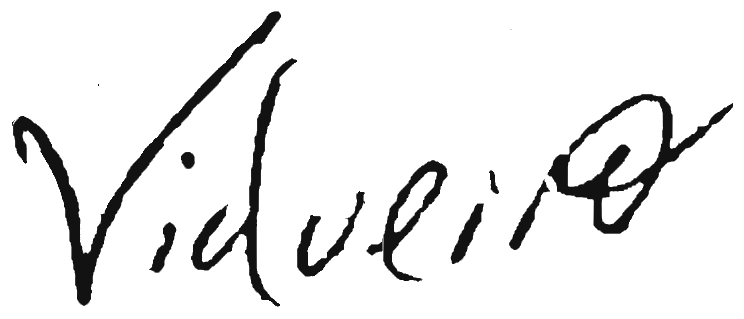
Autorretrativismo (Self-portraitism) is an open art movement created by the painter Manuel Antonio Cuevas Vidueiro (Santiago de Cuba, 1997). It understands the self-portrait as a process, not only as an image: using one's own face to bear witness to what happens to all of us.
Where does it come from?
It is born from a contradiction: using the most individual gesture there is, the self-portrait, to examine the collective ills of our time. What might look like narcissism is the opposite: an attempt to turn the personal self into a social self, so that the self-portrait stops being a mirror and becomes a window. Its motto is “To create is not to represent, but to bear witness.”
Why a thousand self-portraits?
Its first series, El Testigo, sets out to paint a thousand self-portraits in ten years, from 2025 to 2035; 80 are done so far. The number is not about quantity but about method: while the selfie celebrates the ephemeral, the series proposes order and contemplation. Dig deep enough into one self and an “us” appears.
How is it different from other self-portraits?
There are precedents for serial self-portraiture, from the visual diaries of Frida Kahlo to the constructed identities of Cindy Sherman. What is specific to Autorretrativismo is its starting point: a real self, not a character, placed at the service of a collective question. Against the perfect snapshot, the work made slowly; against the filter, the rawness of the process.
Is it only painting?
No. It was born in painting, but it is an open field of research, not a closed style. It expands into installation, such as booths and confessionals, and into actions in public space, such as Desde la Ansiedad and Inmovilizado por calidad.
Who can join?
Anyone who feels the need to record the flow of their identity and turn it into work: painters, performers, photographers, illustrators or digital artists. It imposes no technique or canon, only a principle.